A GLOBAL LEADER
How sustainable are B.C.’s forest practices?
B.C. practices sustainable forestry, with some of the most comprehensive practices in the world, according to a comparative study by the University of British Columbia. Roughly 95 per cent of B.C. forests are publicly owned and governed by stringent laws and environmental regulations. And over 85 per cent of the province’s forest land has been legally designated for multiple uses.
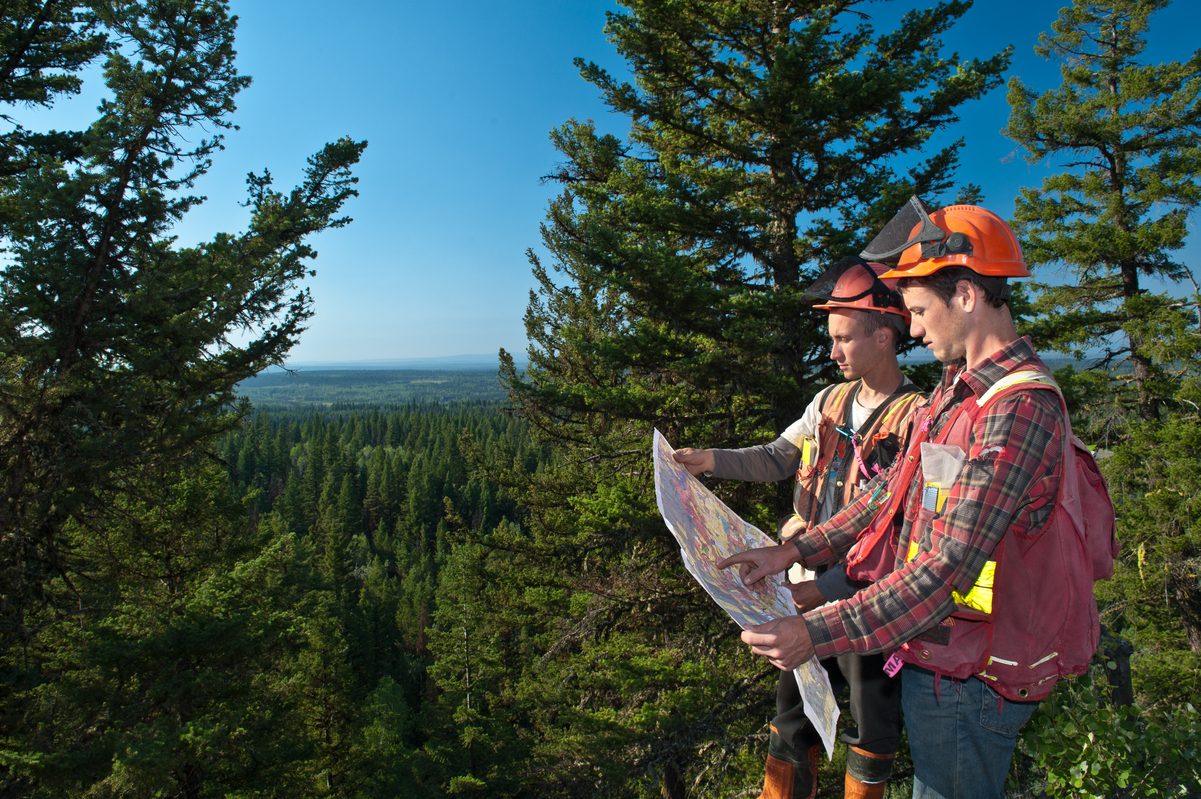
B.C. forest companies must consult British Columbians before any harvesting is approved by the government. In the province, a process called land use planning involves British Columbians in decisions that determine how public lands and forests will be used today and in the future.
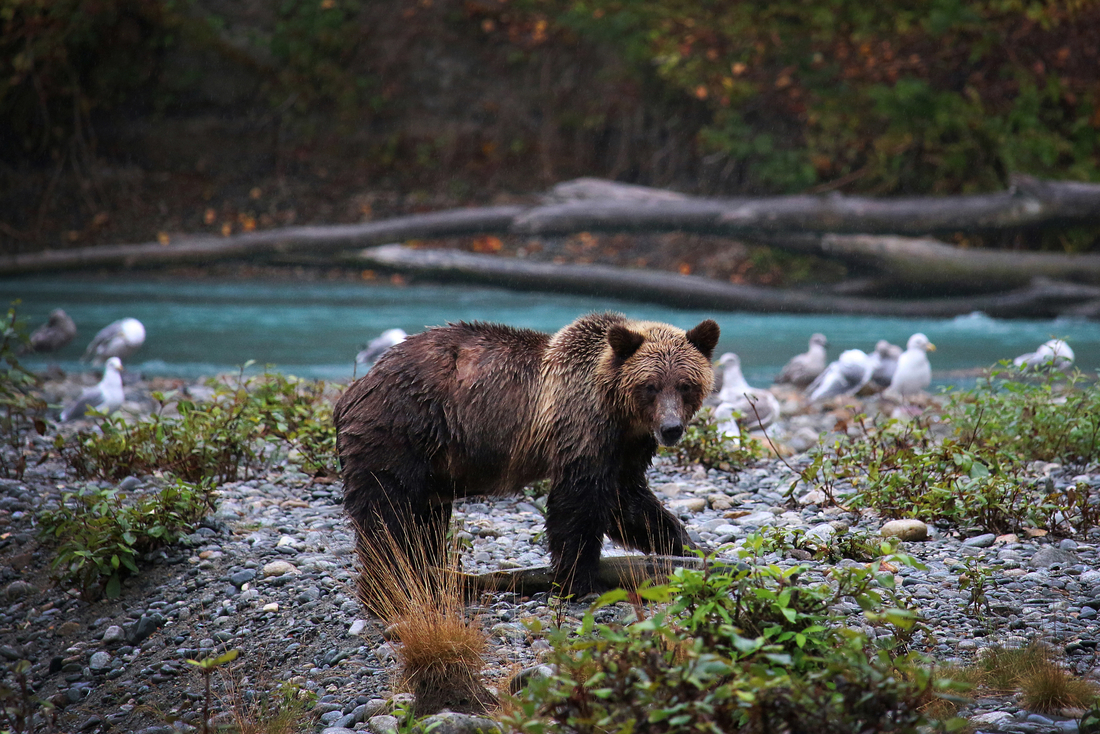
This has resulted in full protection for 14.5 million hectares and brings the total amount of protected lands in British Columbia to over 15 percent, more than any other province in Canada. Additional measures include special ecosystem-based management, biodiversity and protection for wildlife habitat and species at risk.
Further, B.C. has one of the largest park systems in the world—its 1,035 provincial parks, recreation areas, conservancies, ecological reserves and protected areas cover over 14 million hectares. The province is using the latest science to reduce the impacts of climate change on our forests.